Category: Braided Strategies

  • Providing the COVID-19 Vaccine

    Providing the COVID-19 Vaccine

    Situation

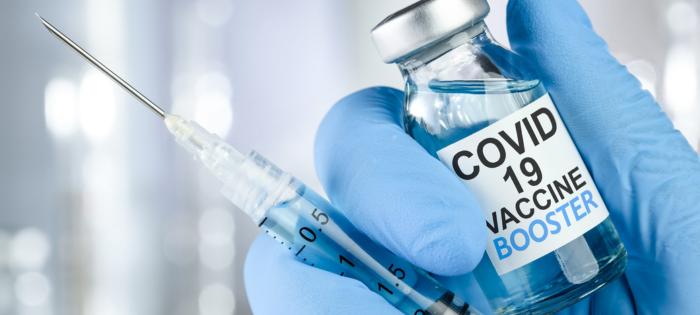
    Patients were coming to Main Street Addiction Recovery Center unvaccinated and uncertain about getting the COVID vaccine. However, news about filling emergency rooms and spread of the Delta variant has caused growing concern. In addition, the Recovery Center is working to keep their patient population safe and build trust that the facility is a protective environment to receive care. To create this safer environment and offer patients an important public health service, Main Street Addiction Recovery Center decided to commence the braided strategy of administering COVID vaccines.

    There were two key steps required to implement this braided strategy:

    1. The Center had to apply to become a COVID vaccine provider from the local public health department and secure promotional COVID vaccine materials and doses of the vaccine (once approved).
    2. Workflow needed to be adjusted so patients (and even members of the public) could receive the vaccine without interrupting existing clinical workflows.

    Based on NIATx guidance, the Center established a NIATx team to quickly implement the new service. The team completed a NIATx Charter Form, which outlined how the change would be tested and implemented. They developed a flowchart of the new workflow and conducted a patient simulation walkthrough to work out the initial kinks of the service. Once the service was tested on a half-dozen patients, the team reconvened to finalize how the service would be delivered. A private exam room was created off the lobby where patients could get their vaccines, as well as extended release naltrexone injections. The flowchart also included the required steps to receive revenue for the service. Finally, a sustain leader was assigned to the project so the Center can ensure the service continues to work effectively.

    Mutually Beneficial Outcomes of Braided Strategies

    • Patients can conveniently receive a service that could prevent sickness, long-term disability, or even death without having to schedule another appointment, fill out paperwork, etc.
    • The Recovery Center realizes multiple benefits, including:
      • Keeping staff safe.
      • Earning additional (limited) revenue from administering the vaccine.
      • Preventing lost revenue from patients who have avoided the Recovery Center out of concerns for their safety (a reality during the initial COVID pandemic).
      • Establishing the Center’s reputation with patients and the public as more than a behavioral health provider.
    • Of the 140 patients served thus far, there have been zero lost charges and a significant increase in reported patient satisfaction at the ease of getting protection from COVID.
  • Testing for HIV/HCV

    Testing for HIV/HCV

    Situation

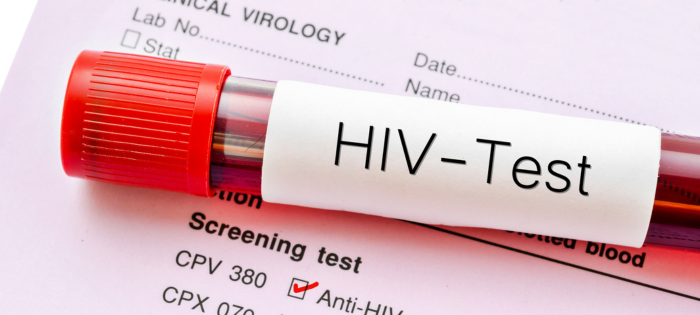
    Patients were walking into the Northeast Recovery Center with symptoms of fevers and joint or stomach pain. Over time, the Center often learned that the patients were having symptoms of HIV or HCV (Hepatitis C). Use of alcohol, crack cocaine, meth, poppers (amyl nitrite), opioids, and heroin are all closely associated with incidence of HCV and HIV. Both HCV and HIV significantly compromise the auto-immune system, and HIV left untreated progresses to AIDS, which can be deadly and severely hamper quality of life.

    The diminishing health of these patients was very concerning to the Recovery Center, especially as they witnessed how these health conditions impact the individual’s treatment recovery. As a health services provider, Northeast Recovery felt they had an obligation to address these diseases linked to substance misuse.

    Mutually Beneficial Outcomes of Braided Strategies

    • Patients can be tested for HIV and HCV sickness and, if positive, receive health care services that will considerably diminish the impact of these serious diseases. At Northeast Recovery, all patients at intake are now given the chance to opt out of HIV and HCV blood testing.
    • The Recovery Center realizes multiple benefits, including:
      • Being able to bill for these two tests and for any HCV/HIV services they provide (or refer patients to their local HCV/HIV specialty provider).
      • Providing a considerable public health benefit by helping infected individuals learn how to prevent the spread and harmful effects of these diseases.
      • Developing a mutually beneficial relationship with the local HCV/HIV provider, which has begun providing Northeast with SUD referrals.

  • Providing Buprenorphine in the Emergency Department

    Providing Buprenorphine in the Emergency Department

    Situation

    The local Emergency Department (ED) is continually calling the Main Street Recovery Center for assistance with overdose patients and currently provides referrals to the Center without any coordination of services. Main Street Recovery wanted to directly address this issue, as did the local ED. The ED first discussed the option of having a peer recovery specialist or even a therapist located at certain times in the ED; however, Main Street and the ED agreed this was too labor intensive. Instead, ED and Main Street decided to have the ED induct eligible patients wanting to begin Suboxone therapy and then provide three-day Suboxone starter kits.

    To make this possible, Main Street trained ED staff on how to:

    • Reduce stigma,
    • Assess for OUDs,
    • Assess for Suboxone eligibility, and
    • Have conversations with patients about Suboxone care and use.

    Once a patient is given the first dose and a three-day Suboxone “booster pack,” the patient is given a referral to Main Street and all paperwork is sent to Main Street.

    Mutually Beneficial Outcomes of Braided Strategy

    • ED has a strategy of how to triage patients who present in opioid withdrawal—a strategy they feel reduces return ED visits and even saves lives.
    • The Recovery Center appreciates the public health benefit and the new patients that are referred from the ED. These patients often have insurance, are adherent to their regimen, and increase treatment group census. Main Street feels this is a great example of how a braided strategy can benefit the patient, the service provider, and the community!
    • The program has experienced a 92% follow-up rate for referred patients.